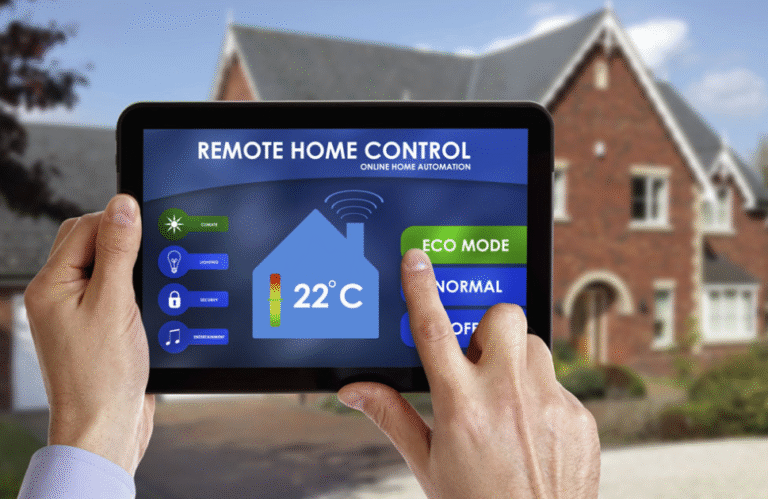
How Smart Devices Are Changing Daily Life
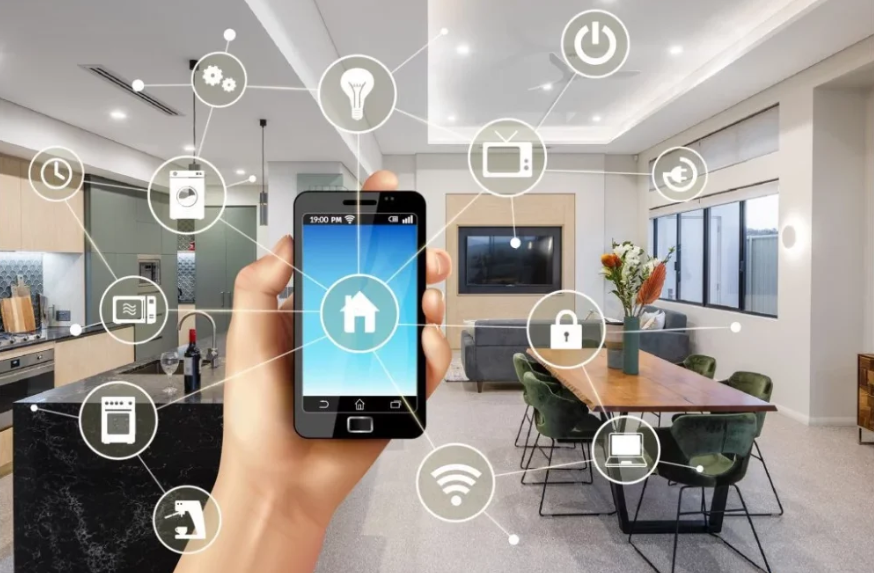
Smart devices orchestrate daily life with seamless routines that blend alarms, lighting, and climate. They learn preferences from context and activity, reducing friction while preserving choice. As data informs options, privacy and security rise to prominence, guiding cautious adoption and local processing when possible. The result is a more efficient, adaptive environment that nudges behavior without overt control, leaving a space to consider what changes come next and how much autonomy to grant.
How Smart Devices Set Your Morning in Motion
Smart devices orchestrate morning routines by integrating diverse tasks into a seamless sequence. They coordinate alarms, lighting, climate, and information feeds, aligning sensory cues with user intent. This orchestration supports autonomy, reducing friction between wakefulness and action.
The result is a confident start, where Smart morning efficiency empowers Personal routines, enabling individuals to choose pace, focus, and direction with minimal cognitive load.
How They Personalize Home and Work Routines
In daily life, personalization extends beyond the morning routine to tailor behaviors across home and work environments. Devices observe personal preferences to shape routines, weaving context from location, time, and activity into seamless flows. Personalization patterns emerge as sensors, apps, and assistants coordinate tasks. Routine automation reduces friction while preserving autonomy, enabling adaptive environments without constant input or oversight.
How Smart Tech Shifts Decision-Making and Privacy
As devices increasingly observe and interpret user behavior, decision-making widens from conscious choice to data-informed inference, altering how individuals weigh options. Smart systems frame risk and reward through patterns, often internalizing preferences and predicting needs, which shifts autonomy toward algorithmic guidance. This introduces privacy trade offs and questions of data ownership, challenging traditional consent models while preserving personal freedom and agency.
How to Choose and Integrate Devices for Everyday Life
Selecting and integrating devices for everyday life requires a structured approach that balances utility, compatibility, and privacy. The process favors modular ecosystems, clear interoperability standards, and mindful data controls. Evaluating morning routines reveals where automation adds reliability without overreach. Prioritize transparent vendors, local processing when possible, and robust updates. Data privacy remains central, guiding selections toward minimal data sharing and auditable security. Freedom thrives through informed, deliberate choices.
Frequently Asked Questions
How Secure Is Voice Assistant Data Across Devices?
Voice assistant data security varies but generally relies on privacy controls and device-specific encryption; analysts note data minimization reduces exposure, yet cross-device syncing and cloud storage create residual risk, demanding transparent policies and user-driven consent across ecosystems.
Do Smart Devices Require Ongoing Subscriptions?
Smart devices may require ongoing subscriptions in many cases. Subscription costs vary by provider and service tiers, often offering features beyond basics. The decision hinges on desired functionality, data privacy preferences, and personal value assigned to ongoing access.
Can Devices Track Children or Family Members Covertly?
Covert monitoring is possible in some devices, raising privacy concerns for families seeking autonomy. The analysis notes that while features exist, ethical, legal, and consent considerations must guide usage to protect personal freedoms.
How Do Devices Handle Offline Functionality and Backups?
Devices handle offline functionality by local caching, synchronized backups, and robust data retention policies; backup strategies include encrypted off-site copies. Offline experiences rely on resilient apps, while data retention governs what remains accessible during disconnections and restores.
What Are the Environmental Impacts of Smart Devices?
The environmental impacts of smart devices include shaping environmental footprint and energy consumption patterns. They offer efficiency gains yet raise concerns about production, lifecycle waste, and data center emissions; responsible design and repairability influence overall sustainability and consumer freedom.
Conclusion
Smart devices orchestrate mornings, homes, and workspaces by anticipating needs and coordinating tasks with minimal user input. This efficiency, underpinned by adaptive algorithms, can cut decision fatigue by an estimated 20–30% in routine choices, according to recent studies. Yet the shift also transfers some control to machines, raising privacy and security considerations. The most compelling takeaway is the balance: leveraging automation for focus while preserving human agency through transparent settings and local processing where possible.